




News
Core Differences Between Borosilicate Drinking Glasses and Ordinary Drinking Glasses
Although borosilicate drinking glasses and ordinary drinking glasses are both made of glass, differences in their composition ratios and production processes lead to significant gaps in heat resistance and durability—factors that directly affect usage safety and service life.
I. Material Composition: The Root of Performance Differences
Ordinary glass is mainly composed of sodium silicate and calcium silicate, with a loose molecular arrangement and poor thermal stability. In contrast, borosilicate glass contains 10%-15% boric oxide added to its basic composition, forming a dense network-like molecular structure. This structural difference lies at the foundation of its excellent heat resistance and durability.
II. Heat Resistance: Vast Differences in Temperature Fluctuation Adaptability
This is the most core difference between the two, directly related to usage safety:
An ordinary drinking glass has a heat resistance temperature range of only 50-80℃, and is prone to cracking when subjected to sudden temperature changes. For example, pouring boiling water into a room-temperature ordinary glass cup, or exposing a cup that has just held hot water to cold water, can cause uneven thermal expansion and contraction inside the glass, leading to cracks or even breakage, and the risk of scalding.
Borosilicate drinking glass can withstand a temperature range of 150-200℃, easily adapting to sudden changes between hot and cold. Whether boiling water is poured directly into it for making drinks, or it is heated immediately after being taken out of the refrigerator, it will not be damaged by excessive temperature differences. It is suitable for beverages of various temperatures, such as hot water, ice water, and coffee, making it applicable to a wider range of scenarios.
III. Durability: Obvious Gaps in Structural Strength and Service Life
Durability is reflected in impact resistance, wear resistance, and long-term usage stability:
An ordinary drinking glass is brittle, with weak impact resistance—even a slight collision can cause chips or breakage. After long-term use, its surface becomes prone to wear and reduced transparency. Repeated exposure to hot and cold temperatures also accelerates aging, with a typical service life of 1-2 years.
Borosilicate drinking glass is stronger and more impact-resistant than regular glass, making it less likely to break from everyday bumps. Its surface is harder and more resistant to wear, ensuring it remains transparent even after extended use. Furthermore, its stable molecular structure slows down aging, providing a typical service life of 3 to 5 years, which enhances its cost-effectiveness.
IV. Scenario Adaptation: Rational Selection Based on Needs
An ordinary drinking glass is suitable for holding room-temperature beverages. It is inexpensive and suitable for short-term or one-time use. If it needs to hold hot water, it must be preheated first to prevent cracking.
Due to its heat resistance and durability, borosilicate drinking glass is the preferred choice for home use, office use, and making drinks. It is especially suitable for families with children, offering greater safety.
To sum up, the core difference between the two lies in the addition of boric oxide, which ultimately manifests in heat resistance and durability. For those seeking safety, durability, and adaptability to diverse scenarios, a borosilicate drinking glasses is the better option. If you only need to hold room-temperature beverages and have a limited budget, ordinary glass can meet basic needs—but you must avoid the risk of thermal shock.
-
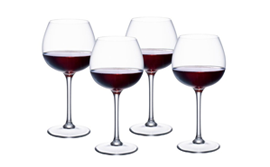
Best quality clear color goblet wine glass cup fish bowl
Capacity : 550ml
Height:20.8cm
Diameter:10.2______ -
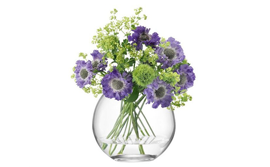
Home decoration clear globe cheap design flower vases glass
Height:16cm
color:clear
material:glass______
- Navigation About us Product glass process news Contact us FAQ
- Product drinking glass Double wall glass Whisky glass Glass pitcher Shot glass Glass vase Glass plate Wine glass Champagne glass Beer glass
- Contact us Email:midasglassware@aliyun.com
Tel : 0351-6814886


