




News
Glass Pitcher vs. Glass Jar: Functional Differences and Precise Scene Adaptation
Although Glass Pitchers and Glass Jars are both glass containers, their applicable scenarios are completely different due to differences in structural design and functional positioning. The former focuses on "holding and pouring beverages," while the latter emphasizes "sealed storage of ingredients." Accurately distinguishing the core differences between the two can make home use more efficient and convenient.
I. Structural Design: Core Differences Determine Functional Orientation
1. Glass Pitcher: Designed for Pouring
The structure of a glass pitcher is designed around "convenient pouring" with distinct core features: the body is slender cylindrical or trapezoidal, with a capacity mostly ranging from 1.5L to 3L, suitable for multi-person drinking scenarios such as family use and gatherings; it is equipped with a wide spout, ensuring smooth and even liquid flow without spilling when pouring; one side of the body is fitted with a non-slip handle, designed in line with ergonomics for effortless and scald-proof holding and pouring; some models come with a lid, providing both dustproofing and simple filtering functions. Borosilicate glass is the most common choice for drinkware because it can withstand high temperatures, making it safe for holding boiling water and suitable for both hot and cold beverages. Regular glass models, on the other hand, are better suited for room-temperature drinks and tend to be more affordable.
2. Glass Jar: Designed for Sealed Storage
The core design logic of a glass jar is "sealed preservation," with a structure focusing on practicality and airtightness: the body is mostly cylindrical, with wide or narrow openings, and a capacity ranging from 500ml to 5L to meet the storage needs of different quantities of ingredients; it is equipped with a highly sealed lid that can firmly lock in the humidity and odor inside the jar, preventing ingredients from getting damp or absorbing odors; the balanced ratio of the jar's height to diameter facilitates stacked storage, saving space in cabinets and refrigerators; some wide-mouth jars have no handle, focusing solely on storage functions, while narrow-mouth jars are more suitable for storing liquid ingredients to reduce residue when pouring. In terms of materials, food-grade lead-free glass is the preferred option, as it is safe, non-toxic, and resistant to staining, suitable for storing various ingredients such as dry goods, sauces, and pickled foods; borosilicate glass models can withstand temperature changes, making them suitable for storing ingredients that require refrigeration.
II. Functional Positioning: Each Has Its Own Role, Irreplaceable
1. Glass Pitcher: A Specialized Container for Beverages
Its core function is "holding and sharing beverages," suitable for the temporary storage and consumption of various liquid drinks:
· Cold Beverage Scenarios: Ideal for holding ice water, fruit juice, lemonade, iced tea, and more. The transparent glass material clearly showcases the color of the beverage, enhancing the drinking experience. Models equipped with lids can be stored in the refrigerator to prevent odor absorption and keep beverages fresh.
· Hot Beverage Scenarios: Perfect for brewing flower tea, black tea, coffee, and other hot drinks. Borosilicate glass can directly withstand boiling water temperatures, and the handle design prevents scalding, making it easy to pour into cups for serving. Some models come with filters that allow tea or fruit tea to be brewed directly in the pitcher, eliminating the need for additional filtering tools.
· Special Functions: Large-capacity models are great for family gatherings, parties, and other occasions, allowing beverages to be prepared in advance for sharing among multiple people. Additionally, some innovative models feature scale marks for precise adjustments of beverage concentration.
2. Glass Jar: The Mainstay of Ingredient Storage
Its core function is "sealed fresh-keeping storage," suitable for the long-term or short-term storage of various ingredients:
· Dry goods storage: Stores grains, nuts, red dates, wolfberries, and other dry goods. The sealed lid isolates air and moisture, extending the shelf life, and the transparent body allows for easy checking of remaining quantities to avoid expiration due to forgetfulness.
· Sauce storage: Holds homemade jam, honey, broad bean paste, olive oil, etc. The airtight performance prevents sauces from oxidizing and deteriorating; the wide-mouth design facilitates access, while the narrow-mouth design reduces residue when pouring liquid sauces.
· Pickling and refrigeration: Wide-mouth glass jars can be used for pickling sauerkraut, pickles, pickled peppers, etc. The lead-free material is safe, non-toxic, and highly corrosion-resistant. Some borosilicate glass jars can be stored directly in the refrigerator to hold leftovers, fruit pieces, and more, combining storage and preservation functions.
· Organization and arrangement: Small-capacity glass jars can store spices, stationery, jewelry, and other small scattered items. The transparent material makes items easy to find, keeping storage neat.
III. Scene Adaptation: Precise Matching to Improve Usage Efficiency
1. Scenarios Where a Glass Pitcher Is Preferred
· Daily family drinking: Stores boiled water or cooled boiled water for family members to pour and drink at any time;
· Gatherings/entertaining guests: Prepares fruit drinks, iced tea, cocktails, etc., with the large-capacity design meeting the needs of multiple people;
· Office scenarios: Brews flower tea or coffee, with the handle and spout design facilitating cup pouring without occupying too much desktop space;
· Outdoor picnics: Portable glass pitchers are suitable for holding beverages and pairing with picnic activities.
2. Scenarios Where a Glass Jar Is Preferred
· Kitchen storage: Stores grains, dry goods, and sauces, providing sealed fresh-keeping while saving space;
· Homemade ingredients: Pickles, sauerkraut, jam, honey, lemon, etc., with the safe and non-toxic material allowing for easy observation of fermentation status;
· Maternal and child/health needs: Stores baby food supplements, Chinese medicinal materials, health products, with lead-free glass being safer;
· Home organization: Stores small scattered items, with the transparent body facilitating easy searching.
To sum up, the main difference between glass pitchers and glass jars lies in their intended functions: glass pitchers are designed for pouring and sharing beverages, while glass jars focus on the sealed storage of ingredients. Choosing the right container based on your usage scenario can enhance the functional benefits of both, making home life more organized and efficient. This selection helps to avoid inconvenience and waste that can arise from using the wrong type of container.

-
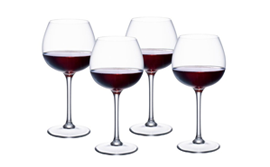
Best quality clear color goblet wine glass cup fish bowl
Capacity : 550ml
Height:20.8cm
Diameter:10.2______ -
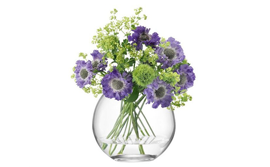
Home decoration clear globe cheap design flower vases glass
Height:16cm
color:clear
material:glass______
- Navigation About us Product glass process news Contact us FAQ
- Product drinking glass Double wall glass Whisky glass Glass pitcher Shot glass Glass vase Glass plate Wine glass Champagne glass Beer glass
- Contact us Email:midasglassware@aliyun.com
Tel : 0351-6814886


