




News
Design Aesthetics and Visual Expression of Modern Glass Plates
Glass plates have long transcended their single function as "tableware" and evolved into carriers of life aesthetics. The collision between their transparent material properties and diverse design languages not only responds to the modern aesthetic pursuit of "simplicity without being simplistic" but also injects a flexible texture into spaces through rich visual expressions, turning daily dining, table displays, and other scenarios into aesthetic experiences.
The design aesthetics of modern glass plates are first rooted in the "transparency" of the material itself—a core advantage that distinguishes them from ceramic and metal tableware. Designers make good use of the clear texture of high-transparency ultra-white glass to create a "visually lightweight" effect. When light passes through the plate, the colors and textures of the food are clearly highlighted. For example, when holding bright red strawberries or creamy white cakes, the glass plate acts like an "invisible" support; it does not overshadow the food but highlights the authentic beauty of the ingredients.
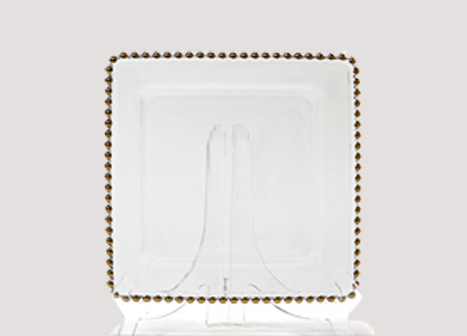
Some designs also create layers through "partial transparency": the center of the plate remains fully transparent, while the edges adopt a 1-2mm slightly curved edge. When light refracts, a faint halo is formed, which strengthens the sense of outline without compromising the overall lightness. Alternatively, an extremely shallow water ripple texture is pressed on the bottom of the plate, which is faint and indistinct when stationary. When holding small foods like boiled eggs or cherries, the ripples and the rounded shape of the ingredients complement each other, giving the vision a sense of breathability. This ultimate use of material properties allows modern glass plates to achieve an aesthetic expression of "simplicity outweighing complexity."
Line design is a key language for modern glass plates to convey style, and different line directions create distinct visual temperaments. Minimalist glass plates mostly adopt "straight lines + neat cuts." For instance, the four corners of square plates are carefully polished into rounded corners, and the edge thickness is controlled at 3-5mm, presenting an overall clean and restrained texture. They are suitable for home scenarios such as Nordic style and wabi-sabi style; when matched with light wood dining tables, they can instantly enhance the tidiness of the space.
Soft-style designs, on the other hand, focus on "curves." The diameter of round plates ranges from 15cm to 28cm, and the edges of the plates form a slowly upward arc. Some styles feature a 0.5 cm inward concave treatment at the rim of the plate. This design not only makes it easier to hold but also adds a sense of fluidity to the lines. These plates are ideal for pairing with French-style and light luxury home decor. When serving salads or pasta, the curves of the plates enhance the presentation, allowing the food to flow beautifully.
Additionally, "irregular lines" have emerged as an innovative trend in modern design. For instance, cloud-shaped and petal-shaped glass plates break away from traditional symmetry, introducing a sense of dynamism to the space with their unique, free-form outlines. They are suitable as dessert plates for afternoon tea—just placing them casually can become a visual focal point on the table.
The clever use of color and texture gives modern glass plates a more powerful visual expression. Designers have moved beyond the traditional concept of "transparency" and introduced low-saturation Morandi colors. These include tones such as light gray-blue, misty pink, and off-white, which are applied to glass surfaces through high-temperature spraying. Most of these colors feature a "semi-transparent" treatment, allowing the transparent base of the glass to shine through while enhancing the overall aesthetic with softer hues. For instance, a light gray-blue glass plate holding limes and mint leaves creates a vibrant display of freshness through the interplay of colors.
In contrast, dark-colored designs aim for a "high-end feel." Jet-black and dark emerald green glass plates are adorned with delicate gold tracings, with lines as fine as 0.1mm, reflecting exquisite light and adding a touch of luxury. They are suitable for holding Western-style dishes such as steak and caviar, instantly enhancing the ritual sense of dining.
Texture design focuses on the "dual experience of touch and vision": frosted texture is mostly applied to the bottom of the plate; the delicate granular feel not only prevents slipping but also makes the vision more warm and gentle, avoiding the coldness of fully transparent glass. Relief texture often presents minimalist patterns—for example, a circle of 5cm-diameter shallow patterns pressed in the center of the plate, or outlined abstract plant lines. These patterns are not dense but have a memorable quality, adding a touch of detailed warmth to the simplicity of the glass plate.
The design aesthetics of modern glass plates are essentially a deep integration of "practicality and aesthetics." Based on materials, they set the tone with lines and add finishing touches with colors and textures. They not only meet the functional needs of holding and displaying but also serve as part of home decoration, turning every use into a dialogue with aesthetics. Whether it is a toast plate for daily breakfast or a main course plate for entertaining guests, modern glass plates are using their unique visual language to convey contemporary people's pursuit of "exquisite life."
-
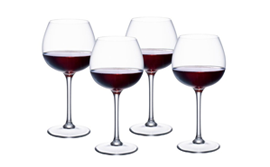
Best quality clear color goblet wine glass cup fish bowl
Capacity : 550ml
Height:20.8cm
Diameter:10.2______ -
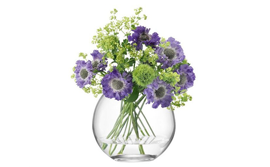
Home decoration clear globe cheap design flower vases glass
Height:16cm
color:clear
material:glass______
- Navigation About us Product glass process news Contact us FAQ
- Product drinking glass Double wall glass Whisky glass Glass pitcher Shot glass Glass vase Glass plate Wine glass Champagne glass Beer glass
- Contact us Email:midasglassware@aliyun.com
Tel : 0351-6814886


