




News
Guide to Cleaning and Maintaining Beer Glasses
The quality of beer glass cleaning directly determines the drinking experience—a detail often overlooked by enthusiasts. Residual oil stains and detergent on the glass wall compromise foam stability, causing dense foam to dissipate in seconds, while lingering wine stains affect the flavor of the next beer. Thus, cleaning must adhere to three core principles: residue-free, gentle washing, and thorough drying.
Pre-cleaning preparation is essential. Equip yourself with dedicated tools: microfiber cloths, soft sponges, long-handled brushes, and tweezers for wiping hard-to-reach corners, such as the joint between the cup stem and body. Use a separate basin to avoid cross-contamination with kitchen utensils, as shared containers easily transfer oil stains to the glass wall. Clean with 40–50℃ warm water—this temperature is ideal for dissolving protein and sugar residues in beer without causing water spots on the glass surface due to excessive heat. Avoid detergent for light soiling; if necessary, choose fragrance-free, residue-free neutral dish soap. Clean glasses within 1 hour of use to prevent dried stains from hardening, which significantly increases cleaning difficulty.
For daily light use, when the glass only has residual beer or foam: Rinse with warm water 2–3 times, swirling gently to create a vortex that flushes away surface residues. Wipe the glass wall gently clockwise with a damp microfiber cloth or sponge, focusing on the cup bottom where sediment accumulates and the rim with foam marks. Rinse thoroughly under running warm water until a uniform water film forms on the surface, with no droplets clinging—this is a sign of no residual detergent or stains. Air-dry the glass upside down on a clean draining rack placed in a well-ventilated area; never use a cloth to dry it, as lint and hidden residues on the cloth will recontaminate the glass.
For heavy soiling with food residues or oil stains: Soak the beer glass in 40℃ warm water mixed with 1–2 drops of neutral detergent for 5–10 minutes to fully soften the stubborn stains. Scrub gently with a cup brush, focusing on crevices like the rim, bottom, and stem-body joint, and rinse thoroughly with warm water to remove all foam. Follow with a cold water rinse to shrink the glass’s micropores, reducing subsequent water spot formation. For commercial settings like bars, the cleaned glasses can be placed in a disinfection cabinet for low-temperature drying at ≤60℃; high heat must be avoided as it can damage crystal clarity or even crack regular glass.
For stubborn stains such as dried wine marks or limescale from long-term neglect: Remove wine stains using a vinegar-warm water solution mixed at a 1:5 ratio—soak the glass for 15 minutes to allow acetic acid to break down the pigments and proteins in the stains, then scrub gently with a soft brush. For limescale, wipe the affected area with lemon slices dipped in salt; the citric acid dissolves the limescale components, while the salt increases friction to enhance cleaning effectiveness. Never mix baking soda and vinegar, as they react chemically to produce corrosive substances that damage the glass surface; crystal glasses are particularly sensitive, so strong acids and alkalis must be avoided.
Post-cleaning inspection and maintenance are crucial. Ensure that the inner walls of the glass are smooth and odor-free, with no droplets clinging when the glass is inverted. Store glass and crystal cups upside down on designated racks, ensuring the stem faces up to prevent deforming the rim. For stainless steel and ceramic cups, dry them completely with a clean, soft cloth before placing them in dry cabinets to avoid bacterial growth and rust. For household use, deep clean the glasses once a week by soaking them in a vinegar and warm water solution to remove invisible residues. For commercial glasses used frequently, such as in bars, sterilize them daily and conduct a thorough deep cleaning once a month to ensure each customer enjoys their beer with its authentic flavor.
Avoid common cleaning mistakes: Do not clean crystal glasses in dishwashers, as high temperatures and strong alkaline detergents damage the crystal surface; do not dry glasses with cloths to prevent lint and residue contamination; do not overuse detergent, even neutral types, as long-term use leaves trace residues that inhibit foam and alter the beer’s taste. Following these guidelines will keep beer glasses in optimal condition, preserving the foam and aroma for every enjoyable sip.
-
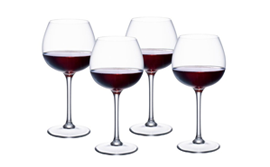
Best quality clear color goblet wine glass cup fish bowl
Capacity : 550ml
Height:20.8cm
Diameter:10.2______ -
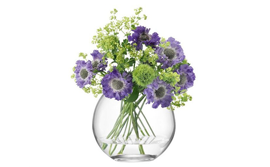
Home decoration clear globe cheap design flower vases glass
Height:16cm
color:clear
material:glass______
- Navigation About us Product glass process news Contact us FAQ
- Product drinking glass Double wall glass Whisky glass Glass pitcher Shot glass Glass vase Glass plate Wine glass Champagne glass Beer glass
- Contact us Email:midasglassware@aliyun.com
Tel : 0351-6814886


